
St. John’s is a real church. The name has been changed, but the story is current.
St. John’s is a healthy rural congregation. Faithful for decades. Strong lay leadership. A building paid off, a budget in the black. Last year, their senior pastor announced his retirement. The call committee formed, the prayer went up, and the search began.
They are still looking.
What the Committee Did Right
Nearly everything. They built a genuine call team with thoughtful representation. They clarified who they were and what they needed. They wrote an honest ministry profile. They started with prayer. They followed every denominational process faithfully.
None of it has been enough.
What They Are Running Into
The first candidates were few, and most were not a fit. Not because the candidates were unserious but because candidates open to a rural call at moderate compensation in a small community in the upper Midwest were simply not there in the numbers a healthy search requires. The committee expanded the search radius. They revised compensation. They reconsidered what was essential and what was preferred. The shortage was the pool, not their pickiness.
When they did find promising candidates, other realities surfaced. One was wrestling with burnout and was honest enough to say so. Another had a strong preaching voice but had never led a small-town church. A third was a good fit on paper, but relocation costs were too high. Each conversation took weeks. Each added another month to the interim.
The Costs No One Talks About
A long interim is expensive in ways most churches do not calculate until they are in one. The financial cost is visible: supply preaching, interim pastoral care, and search expenses. The less visible costs are heavier. Momentum stalls. A few families quietly begin attending elsewhere. Volunteers feel the oxygen go out of the room. The next-generation leaders in the congregation watch the delay and wonder whether the church’s best days are behind it.
None of this is St. John’s fault. It is the cost of a pipeline that is not producing enough pastors for the churches that need them.
What St. John’s Did Not Have
This is the part that matters most for your congregation. St. John’s did not have a pipeline of their own. They had not been apprenticing anyone in the pews. They had not been partnering with a seminary. They had not been identifying called leaders and walking them toward ordination. When the retirement announcement came, they had to go to the outside market, and the outside market was thinner than anyone expected.
This is not a criticism of St. John’s. It is a description of almost every rural and midsized mission-focused church in North America. We have all been relying on the market. The market is no longer reliable.
The Five-Year Question
What would the situation at St. John’s look like today if, five years ago, they had done the quiet work of noticing called leaders, apprenticing them, and partnering with a seminary willing to walk with them?
Maybe one of the young adults would already be in her second year of formation, known by the people she will one day serve. Maybe the call committee would have an internal candidate to consider alongside external ones. Maybe the interim would be 18 weeks instead of 18 months.
The pipeline is not a luxury. It is the difference between a succession and a crisis.
What Your Church Can Begin Now
The hardest part of the St. John’s story is that it was preventable five years ago, and it is still preventable for the church sitting where St. John’s was sitting in 2020. The muscle memory of forming leaders can be rebuilt. Seminary partnerships are available. The framework for noticing and apprenticing is not complicated, just unfamiliar.
The Momentum Network is a cohort of mission-focused churches doing this work before their own St. John’s moment arrives. Some of our congregations are already three years into building what St. John’s wishes they had built.
Join the Momentum Network and begin the pipeline work now, while you still have the runway.
Learn more about the Momentum Network.
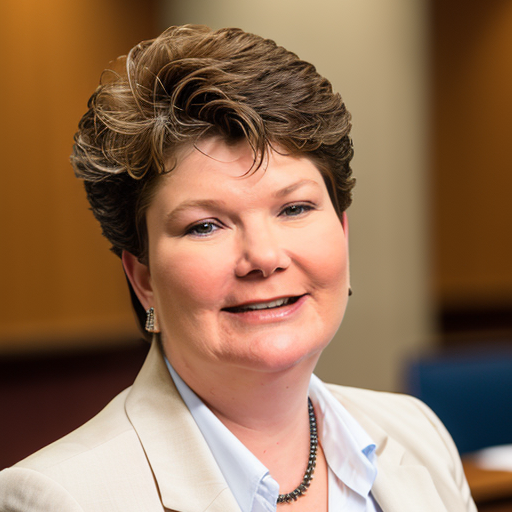
Dr. Tracee J. Swank guides Kingdom-minded leaders, churches, and entrepreneurs to clarify their purpose, reimagine mission, and multiply hope—so they can lead entrepreneurial movements that transform communities and advance the Great Commission.