
Walks and conversations are the heart of knowing your community. The data is the frame around them. In ministry, we often want to know all about the demographics and statistics and rely on those to shape ministry.
Public data will never tell you why the young mother at the coffee shop looks tired. It will not tell you what the older man on the porch is grieving. Those are the things only presence and conversation can teach you. But data will tell you things your walks and conversations cannot. The size of the story. The shape of the trend. The patterns that are too big to see from the sidewalk.
What the Numbers Are Good For
Public data is useful because it zooms out. You might notice on your walks that there seem to be more rental properties than there used to be. The census will tell you whether that observation is accurate and by how much. You might hear at the diner that the schools are struggling. The district’s public report will tell you the enrollment, graduation, and test score patterns across the last decade. You might suspect from conversations that the community is aging. The numbers will confirm it or correct it.
Data keeps your observations honest. It protects you from generalizing from one vivid conversation to a pattern that does not actually exist. And it can surface realities in your community that you would not see on a walk because they only become visible at scale.
Three Free Sources Worth Knowing
You do not need a subscription or a consultant to find useful information about your community. Three freely available sources will give you most of what you need.
The first is the US Census Bureau’s community data. The American Community Survey publishes yearly estimates for almost every community in the country, covering age, household makeup, income, housing, education, and language. A 30-minute visit to the Census Bureau website will tell you more about the shape of your community than most pastors learn in a decade of guessing.
The second is your local school district’s public report. Every district publishes enrollment numbers, demographic breakdowns, and often community indicators. The schools are often the most honest picture of the next generation of your community because they see the children before any other institution does.
The third is your city, county, or regional planning office. Many publish community needs assessments, housing reports, or economic development studies that are surprisingly candid about what the area is facing. These reports are often sitting on a public website, often unread.
How to Hold Data and People Together
Data and presence work together. The numbers show you the shape of your community. The walks and conversations put flesh on the shape. Without the data, your observations can drift into impression. Without the observations, the data stays abstract. Together, they give you a real picture of the place in which your church has been planted.
One useful practice is to spend an hour with a data source, then spend an hour walking or listening to see whether what the numbers say matches what you are seeing. Over time, you develop instincts for your community that are both grounded in fact and shaped by actual relationships.
What Comes Next
At this point in the series, you have spent time walking, listening, asking, and looking at data. You are starting to see your community more accurately than you probably have in years. The next three posts are about what to do with what you are seeing. How to honestly name the gap between what your church is offering and what your community is actually needing. How to take one small, faithful step in response. And what a congregation looks like, a year into this practice, when it has learned to know its neighbors again.
The Momentum Network is full of churches doing this patient work side by side. It is the kind of practice that is easier in company than alone.
Join the Momentum cohort by taking the FIT survey
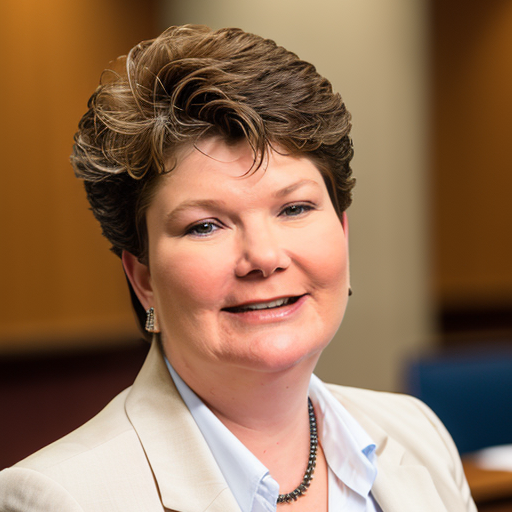
Dr. Tracee J. Swank guides Kingdom-minded leaders, churches, and entrepreneurs to clarify their purpose, reimagine mission, and multiply hope—so they can lead entrepreneurial movements that transform communities and advance the Great Commission.