
Paul’s teaching in 1 Corinthians 12 is more than a metaphor. It is a structural vision for how the body of Christ operates.
No single member possesses all gifts. No part can claim self-sufficiency.
When the local church attempts to operate in isolation, it implicitly assumes it must contain the full spectrum of gifts within its own walls. That expectation creates strain and imbalance.
One local church may excel in teaching but struggle with outreach. Another may have strong mercy ministries but lack leadership pipelines. Another may possess entrepreneurial vision but need theological reinforcement.
When these congregations remain disconnected, their weaknesses intensify.
When they join a microchurch network, their gifts circulate.
Teaching pastors can equip multiple congregations.
Administrative expertise can support several communities.
Prayer initiatives can be coordinated regionally.
Evangelistic models can be replicated.
This is not about efficiency alone. It is about theological obedience.
The body of Christ extends beyond one building. When local churches share resources, skills, and experiences, they visibly demonstrate unity under one Lord and one mission.
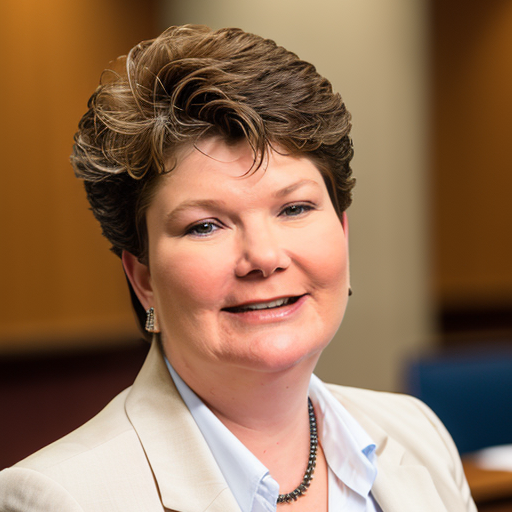
Dr. Tracee J. Swank guides Kingdom-minded leaders, churches, and entrepreneurs to clarify their purpose, reimagine mission, and multiply hope—so they can lead entrepreneurial movements that transform communities and advance the Great Commission.