
After all the walking, listening, and honest reflection, the temptation is to do something big.
Do not. Not yet. The history of established churches trying to pivot is littered with well-intentioned big launches that exhausted the congregation, fizzled within a year, and left everyone more discouraged than before. The better path is smaller, slower, and far more sustainable. Pick one thing. Do it well. Let the first small faithful step teach you what the next one should be.
What Starting Small Actually Looks Like
A small step is specific, time-limited, and within the capacity of what your congregation already has. It does not require a new building, a new staff member, or a new line item. It is usually something you can begin in the next 30 days with the people already sitting in your sanctuary.
Here are a few examples of small steps that churches have taken in response to what they learned from seeing their community more clearly.
-
A congregation that noticed the high number of young single mothers at the school pickup line started a once-a-month Saturday morning breakfast, free and simple, with childcare.
-
A rural church that realized the coffee shop had become the town’s living room started leaving the church fellowship hall open on Tuesday mornings with coffee available, no program attached, just a place for people to come in from the cold.
-
An older congregation that learned several neighbors were grieving losses started a monthly evening of conversation for anyone carrying grief, led by a retired counselor already in the pews.
None of these required more than a few faithful volunteers and a willingness to begin.
How to Choose Your One Thing
Look at the gap you named in the last post. Identify the one need that shows up most clearly, both in what you are hearing in conversations and in what the data is showing you. Then ask three honest questions about it.
Does our congregation already have the people and resources to respond, or would we need to build something new? Start with what you already have.
Can we make a small, specific, time-limited offering within the next 30 days? If the idea cannot be piloted in a month, it is probably too big for a first step.
Is there one person in our congregation who genuinely loves this particular work and would be willing to lead it? Small steps almost always need a single committed person who cares, not a committee.
Why Time-Limited Matters
Commit to a defined trial period. Three months is often the right length. Long enough to learn something, short enough that the congregation is not locked into a permanent commitment before you know whether the step is bearing fruit.
At the end of the trial, evaluate honestly. What happened? Who came? What did you learn? Is this worth continuing, adjusting, or quietly ending? A church that gives itself permission to end something at the three-month mark is a church that will be willing to start small things in the first place. A church that cannot end anything will eventually stop starting.
The Hidden Gift of Small
Small steps do something large launches never do. They build the congregation’s muscle memory for engaging the community. The people who show up to serve the once-a-month breakfast start seeing their neighborhood differently. They come home with stories. Other members hear the stories and begin wondering what they might offer next. The congregation begins to shift, not through a campaign but through shared experience.
Within a year of small, sustainable steps, most churches find themselves looking at the gap list again and noticing that the landscape has already changed—not because they launched something enormous but because they kept taking faithful, specific steps that they could actually sustain.
Join the Momentum cohort by taking the FIT survey
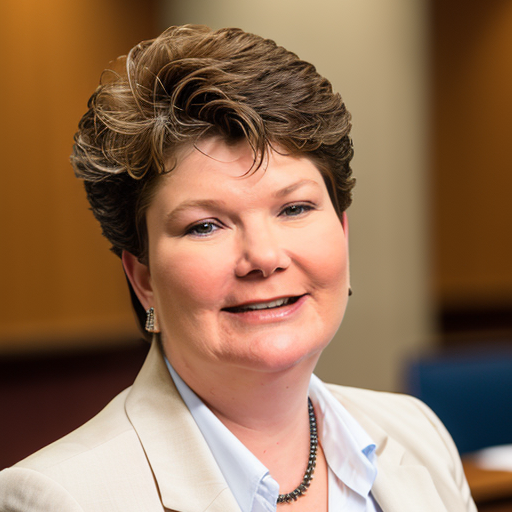
Dr. Tracee J. Swank guides Kingdom-minded leaders, churches, and entrepreneurs to clarify their purpose, reimagine mission, and multiply hope—so they can lead entrepreneurial movements that transform communities and advance the Great Commission.