
The Leadership Shortage We Can’t Ignore
The Church is facing a crisis of leadership. Pastors are retiring, burning out, or leaving ministry altogether. Seminaries are graduating fewer students. Many congregations cannot afford a full-time pastor. The “old system” of leadership development—the pipeline of Bible camps, colleges, seminaries, and denominational lists—has broken down.
So where will tomorrow’s pastors, planters, and leaders come from?
The answer is closer than you think: from within your congregation.
The Collapse of the Old Pipeline
For decades, churches depended on a clear process:
- Identify gifted young people.
- Send them to college and seminary.
- Place them in congregations.
That model worked in a culture where higher education was affordable, denominations were strong, and churches occupied a central place in society. But today:
- Education costs are sky-high.
- Seminaries are shrinking.
- Denominations are thinning.
- Congregations are struggling financially.
The result? Empty pulpits, overworked pastors, and declining churches.
The Case for Raising Leaders From Within
Scripture reminds us that God equips His people for works of ministry (Ephesians 4:11-13). Leadership is not confined to those with seminary degrees. In fact, some of the most effective leaders are sitting in your pews right now—untapped, untrained, and waiting to be released into mission.
Momentum helps churches discover and disciple these leaders.
Momentum’s Leadership Development Pathway
1. Deep Discipleship Pathways
Healthy leadership begins with healthy discipleship. Momentum equips churches to create pathways that guide people from curious seekers to mature followers of Christ. Along the way, future leaders emerge naturally.
2. Spiritual Gifts Inventories
Using Momentum’s online tools, members can discover their God-given gifts. A person who thought they had “nothing to offer” might realize they are a teacher, encourager, or shepherd. These gifts often point toward leadership potential.
3. Coaching and Mentoring
Identifying leaders is only the first step. Momentum provides coaching to pastors and congregations, helping them mentor and release these leaders into roles such as small group facilitators, lay preachers, or ministry team leaders.
4. Certificate Programs and Training Tracks
Not every emerging leader needs or can afford seminary. Momentum offers certificate programs in areas like missional leadership, entrepreneurial ministry, and Business as Mission. These programs provide practical, affordable training for future pastors, planters, and ministry leaders.
The Role of Kingdom Entrepreneurs
Not every leader looks like a traditional pastor. Some are innovators—Kingdom entrepreneurs—called to plant microchurches, start third space ministries, or launch community businesses with a Gospel purpose.
Momentum identifies and equips these innovators, giving them the tools to turn vision into reality. They may never serve in a pulpit, but they expand the Kingdom in powerful, creative ways.
A Picture of the Future
Imagine this:
- A small congregation identifies a gifted lay leader through Momentum’s inventory. She begins mentoring youth, then enters a certificate program, and within a few years is ordained as a bivocational pastor.
- A young man passionate about business uses Momentum’s entrepreneur resources to launch a coffee shop ministry that becomes a hub for discipleship.
- A retired teacher discovers his shepherding gifts and begins leading a small group that multiplies into three groups within a year.
This is not theory. It’s the future Momentum is equipping.
The Leaders Are Already Here
The leadership shortage doesn’t have to define the Church’s future. God has already placed potential pastors, planters, and leaders within our congregations. The question is whether we will equip them.
Momentum exists to help churches do exactly that.
Join Momentum today. Invest in tomorrow’s leaders—because the Church of the future is sitting in your pews right now.
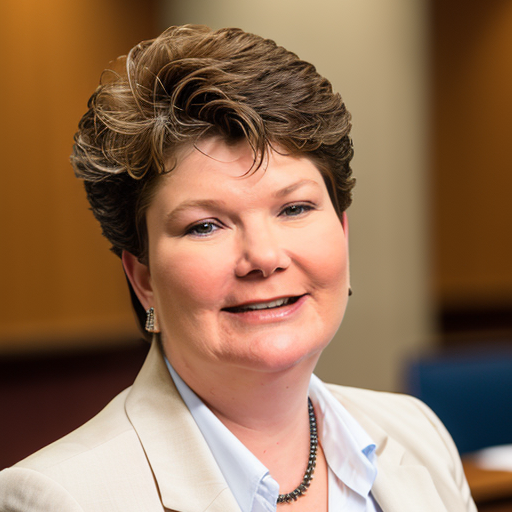
Dr. Tracee J. Swank guides Kingdom-minded leaders, churches, and entrepreneurs to clarify their purpose, reimagine mission, and multiply hope—so they can lead entrepreneurial movements that transform communities and advance the Great Commission.