

Imagine your congregation a year from now. Twelve months of walking. Twelve months of listening at the coffee shop. Twelve months of asking real questions and paying attention to the answers. A few small, sustainable steps taken in response to what you have heard. What does your church actually look like after a year of this?
It will not look dramatic. That is the point. What it will look like is something quieter, more durable, and more alive than anything a big campaign could produce.
What Changes Inside the Congregation
The first changes usually show up among the people doing the seeing. The pastor who walks the neighborhood weekly starts preaching differently. The sermons touch the actual lives of people outside the walls because the pastor knows those lives now. The elders and members who have been asking questions and listening at the school pickup line begin noticing things in their own congregation they had been missing. The whole congregation, slowly, starts to feel more aware, more present, more grounded in the place where God has planted them.
The second change is in what the congregation talks about. The internal conversations begin to include the community more naturally. Not as a strategy problem to solve but as neighbors you are getting to know. The prayer lists expand. The stories people share at coffee hour start including names of people who are not members. The walls between the church and the neighborhood get quietly thinner.
What Changes in the Community
The outside changes are slower and subtler, and they rarely look the way churches expect. You probably will not see a sudden influx of new members. What you will see is something more like presence. The church becomes known. The neighbors who used to drive past the building without thinking about it start recognizing it as a place where something real is happening. The small step you took in month two, the one you worried no one would come to, has quietly become the reason three families now know your congregation by name.
People start showing up but not in the ways you expected. A grieving widow who came once to the grief evening is back again, not for the program but because someone there genuinely cared. The young mother who came to the Saturday breakfast brings a friend. The neighbor you have waved at for 20 years stops by the church office one Tuesday, not for anything in particular, just because he had been meaning to come in.
The Long Return
This is the quiet work that revitalizes mission-focused churches. Not a dramatic turnaround. A patient reacquaintance with the community God gave you. Churches who stay with this practice for three to five years look different in ways that programs never produce. They are known. They are trusted. They are present. The neighborhood, over time, begins to count them as one of its own.
That is what a sending, missional, revitalized church looks like from the outside. Not a church that made a lot of noise but a church that learned to see its neighbors and then loved them faithfully, one small step at a time.
The Invitation
The practices in this series are simple enough to begin alone. They are far easier to sustain in the company of other congregations learning the same rhythms. Churches in the Momentum Network walk this road together, month by month, sharing what they are seeing, what they are trying, and what they are learning. If your congregation is ready to start the year of patient seeing and faithful acting, the cohort is open. You are welcome in.
Learn more about the Momentum Network.
Join the Momentum cohort by taking the FIT survey
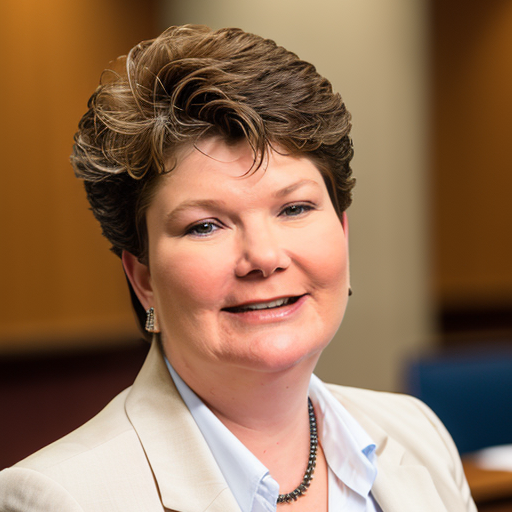
Dr. Tracee J. Swank guides Kingdom-minded leaders, churches, and entrepreneurs to clarify their purpose, reimagine mission, and multiply hope—so they can lead entrepreneurial movements that transform communities and advance the Great Commission.