
There is a conversation happening inside theological education that most pastors have not heard.
While pastors navigate the realities of their own congregations, seminary leaders are sitting with hard questions about how the Church forms its leaders. The best are not flinching. They are leading the way to answers. The answer almost all are reaching is this: The local church and the seminary are meant to form pastors together.
What the Data Is Saying
A recent Association of Theological Schools report, analyzed by Ed Stetzer, reveals an important trend. Theological education is sorting itself. Large seminaries are consolidating and growing. Midsized schools are working through sustainability questions. The quietest trend is the most hopeful: Smaller, nimbler seminaries are thriving because they are partnering closely with local churches.
Stetzer himself named the shift. Large seminaries are getting larger, small seminaries are getting nimbler and more connected to local churches, and midsized seminaries are finding sustainable models. The path for all of them runs through the local church.
Why the Classroom Alone Was Never the Plan
For most of church history, formation happened in two places at once. Future pastors sat under academic teaching. They also sat in the homes of the people they would one day shepherd. They learned Greek, and they learned how to sit with a widow. They studied homiletics, and they watched a seasoned pastor deliver hard news on a Tuesday afternoon. The classroom formed their minds. The congregation formed their hearts, instincts, and pastoral imagination.
Somewhere along the way, the Church started treating those two formations as separate jobs. Seminaries took the academic half. Local churches stepped back from the rest. The result was predictable. Pastors arrived at their first calls well-read and underformed.
What Forward-Thinking Seminaries Are Doing
The shift is already underway. Forward-thinking seminaries are building programs that meet students where they are, including second-career students. They are opening pathways that do not require a student to leave their congregation in order to be formed. They are engaging local pastors as genuine co-educators. They are rethinking what a residency looks like when the local church is treated as a formation environment in its own right.
None of this makes seminary less rigorous. It makes it more integrated.
The Invitation Is Already Open
The seminaries leading this shift are actively looking for church partners. The door is open right now. The question is whether your church has the clarity, capacity, and courage to walk through it.
Join the next Momentum Network cohort and learn what real seminary partnership can look like for your congregation.
Learn more about the Momentum Network.
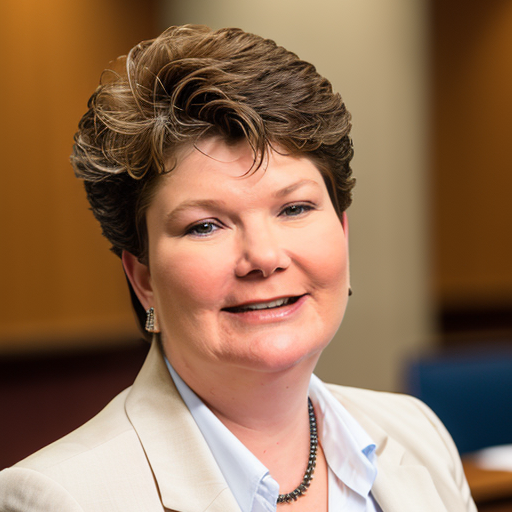
Dr. Tracee J. Swank guides Kingdom-minded leaders, churches, and entrepreneurs to clarify their purpose, reimagine mission, and multiply hope—so they can lead entrepreneurial movements that transform communities and advance the Great Commission.