
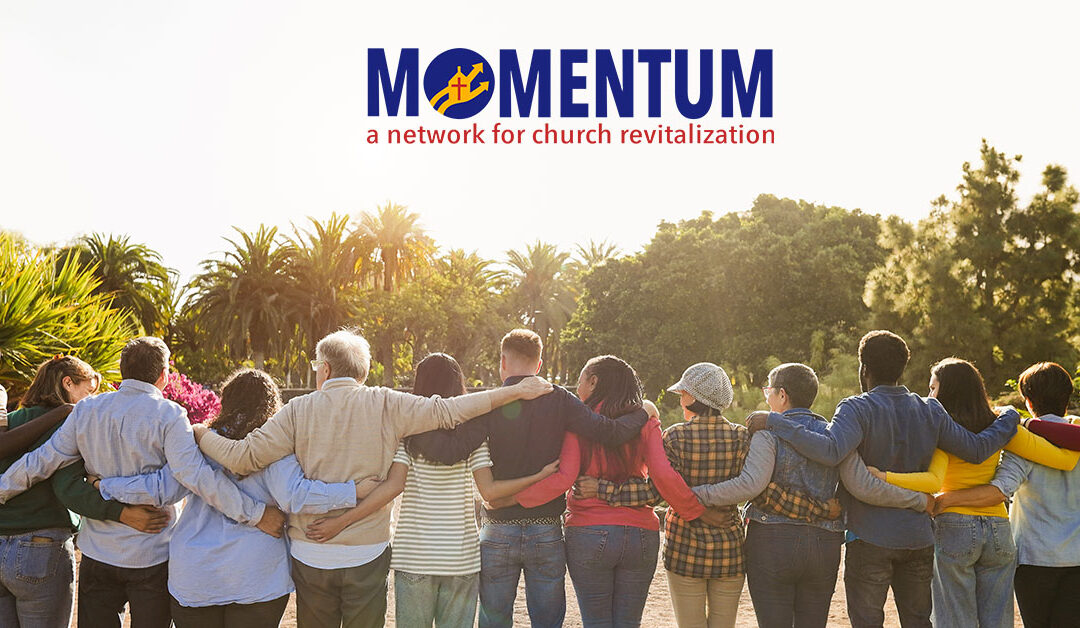
We live in a highly individualized culture. Institutions are questioned. Loyalty is thin. Isolation is common.
The local church has an opportunity to model a different way of life.
A microchurch network demonstrates unity without uniformity. Congregations remain distinct in personality and context, yet aligned in doctrine and mission. They collaborate without coercion. They support without controlling.
Early church history reveals that Christianity spread through interconnected communities that shared leadership, doctrine, and resilience under pressure. It was decentralized yet unified.
The hub-and-network model is not innovation for innovation’s sake. It is a return to this historic pattern.
When local churches share gifts, skills, and experiences, they embody:
- Interdependence
- Shared discernment
- Distributed leadership
- Mutual care
- Collective witness
The mission of God is too large for isolated congregations.
The local church thrives when it remembers it is part of a larger body.
And when local churches unite in microchurch networks, they reflect more clearly the ministry we read about in the New Testament and the courageous expansion we see in early church history.

Dr. Tracee J. Swank guides Kingdom-minded leaders, churches, and entrepreneurs to clarify their purpose, reimagine mission, and multiply hope—so they can lead entrepreneurial movements that transform communities and advance the Great Commission.