Stewardship is not merely about financial survival. It is about maximizing Kingdom fruitfulness.
Many local churches duplicate efforts unnecessarily. They purchase similar systems, develop similar materials, and solve similar challenges independently. That duplication consumes energy that could be directed toward mission.
In a microchurch network:
- Administrative systems can be shared.
- Leadership retreats can be joint efforts.
- Volunteer training can be collaborative.
- Mission projects can be regionally coordinated.
This frees pastors and leaders to focus on discipleship and community engagement rather than operational strain.
In Acts 4, believers shared resources so that there were no needy persons among them. That sharing was not theoretical. It was practical, tangible, and Spirit-led.
A networked local church community reflects that same generosity and stewardship. Scarcity gives way to shared capacity.
When resources move across a network, mission accelerates.
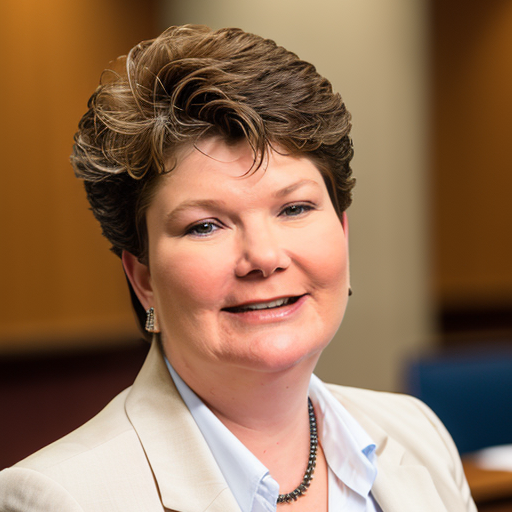
Dr. Tracee J. Swank guides Kingdom-minded leaders, churches, and entrepreneurs to clarify their purpose, reimagine mission, and multiply hope—so they can lead entrepreneurial movements that transform communities and advance the Great Commission.